Seafood & Healthy Vision
Eating fatty fish may help protect vision as we age. Learn more for Healthy Vision Month.
Healthy Vision Month this May highlights the importance of vision, particularly as we age. The NIH National Eye Institute predicts that cases of visual impairment and blindness will double by 2050 as the American demographic shifts older. Some research indicates that regularly eating seafood, along with other diet choices, may play a protective role in eye health.
Common conditions that can lead to vision loss with age include age-related macular degeneration (AMD), cataracts, diabetic retinopathy, and glaucoma.
Age-Related Macular Degeneration (AMD)
“AMD is a common eye condition and a leading cause of vision loss among people age 60 and older,” says the NIH National Eye Institute. According to some research, the risk may be reduced among people who consume high amounts of fish and/or omega-3s, explains the NIH in its Health Professionals Fact Sheet on omega-3s. For example, in the European Eye Study of 2,275 participants age 65 years or older, “Those who ate fatty fish at least once per week had a 53% lower risk of neovascular AMD than those who consumed fatty fish less often,” notes the NIH.
In another study of more than 38,000 healthy female health professionals, women with the highest intakes of marine omega-3s had a 38% lower risk of developing AMD over a 10-year study period. For people who already have AMD, some research indicates that omega-3 intake does not slow the progression of the disease, adds NIH.
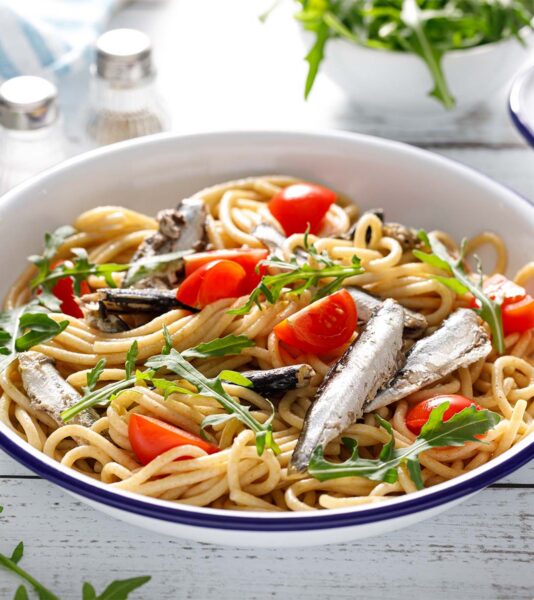
However, an overall dietary pattern may make a difference. Says the American Academy of Ophthalmology, “People who follow the Mediterranean diet, which is rich in fish, have a significant reduction in progression of late-stage age-related macular degeneration (AMD).”
The marine omega-3s, EPA and DHA, may play an important role in maintaining cell membranes in the eye, supporting vascular function in the eye, regulating pressure within the eye, and reducing inflammation that can occur with age, say Pieńczykowska and colleagues in a review article (Nutrients).
Looking at intake of fatty fish and AMD, Fan and Song point to a protective effect of fish intake. In their findings, dietary intake of fatty fish reduced the risk of AMD, while omega-3 supplements did not. Along with omega-3s, fish provide other nutrients, they point out, and there is still more to learn.
They also explain that the omega-3 DHA helps the eye accumulate a substance called lutein, which is also protective. Lutein and zeaxanthin are carotenoids (natural plant pigments) found in leafy green vegetables and other plant foods that have also been found to reduce the risk of AMD.
Cataracts
Intake of total fat and saturated fat may increase the risks of developing cataracts, say Pieńczykowska et al. in their review. Some research has shown an association between meat consumption and the incidence of cataracts, they note. Additional research indicates that regular intake of lutein and zeaxanthin may reduce the risk of cataract development.
Glaucoma
Low intake of omega-3 sources such as fish and walnuts has been associated with a higher incidence of glaucoma, say Pieńczykowska et al. They point to research indicating that omega-3 supplementation may reduce pressure within the eye and have a protective impact.
For example, Downie and colleagues explain that elevated fluid pressure in the eye is a “modifiable risk factor” for glaucoma. In their research, omega-3 supplementation reduced intraocular pressure.
Research is ongoing. The bottom line? “Adequate omega-3 fatty acid intake has been associated with a reduced risk of glaucoma among individuals aged 60 years and older,” say Pieńczykowska et al.
Fish and dietary choices
In all, current research suggests that dietary choices may help protect vision, especially as we age. To protect vision, the NIH National Eye Institute recommends vision-friendly health habits, including “Eat a diet rich in green, leafy vegetables and fish.”